
Hypnosis for Behaviour Change: habits, tics, compulsions
You know exactly what you should be doing. You have decided to do it a hundred times.
And the gesture comes back: the nails, the hair, the evening drink, the hand that scratches.
This is not a lack of willpower: it is simply how a habit works, precisely where willpower has no grip.
This page explains how a behaviour becomes established, what hypnosis can genuinely change about it, and, just as important, how to recognise the situations that call for a doctor first.
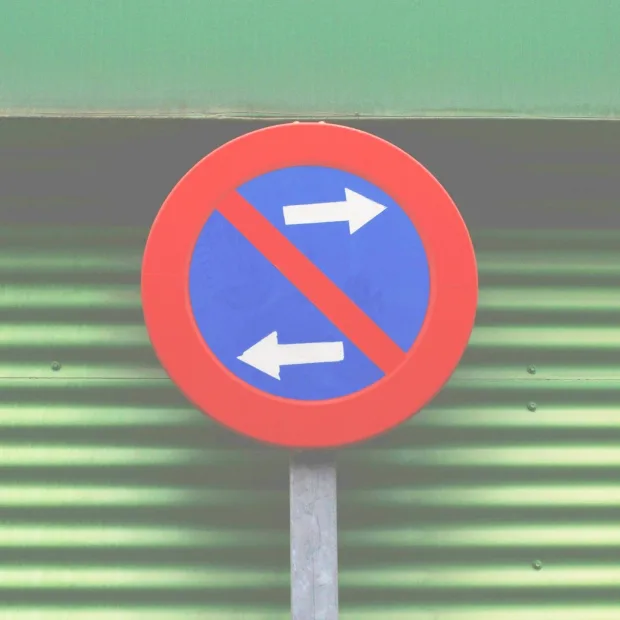

Understanding our habits and automatic gestures
Why willpower is not enough
An established habit does not play out in the part of the brain that decides.
It runs in a loop, and that loop has three steps:
- A trigger, often invisible to the person themselves: tension, boredom, concentration, a place, a time, a specific emotion.
- A behaviour: the gesture, which starts before you have even noticed it.
- Relief, brief, real, and it is this that explains everything: the gesture soothes something. That is why it comes back.
Two practical consequences follow.
First, reasoning with yourself does not work, or not for long: the decision is made in one register, the automatism plays out in another. That is exactly the gap hypnosis works on.
Second, removing a behaviour without putting anything in its place rarely works. If the gesture was soothing a tension, removing the gesture leaves the tension whole and the behaviour comes back, or shifts onto something else. Serious work does not simply forbid: it gives that tension something else to do.
First, know what you are dealing with
This is the most important part of this page, because these behaviours look very similar on the surface and call for entirely different responses.
- A habit. A repetitive, irritating gesture, sometimes twenty years old, but one that does not take over your life: you bite your nails in meetings, twirl a strand of hair while reading, chew the inside of your cheeks. You would like to stop, without it stopping you living. This is hypnosis's legitimate territory.
- A diagnosable disorder. The behaviour takes up time, comes with significant distress, leaves physical marks, persists despite repeated attempts to stop, or makes you avoid situations. That is something else, and it calls for an assessment by a doctor or a psychologist. Hypnosis can have a place there, as a complement, never alone.
- A dependency. When a substance is involved, alcohol in particular, the body has adapted to its presence, and stopping becomes a medical matter. This situation should never be improvised, for reasons we detail further down.
A serious practitioner will do this sorting-out with you from the first meeting, and will refer you on without hesitation if your situation calls for something else.
What hypnosis handles well
Everyday repetitive gestures

Biting your nails, picking at the skin around them, twirling or winding your hair, chewing your lips or cheeks, cracking your knuckles, constantly touching your face, chewing the inside of your cheeks…
These behaviours share one thing in common: they mostly appear at moments of tension, boredom or concentration. And often without the person realising it.
The work in therapeutic hypnosis happens in three steps:
- Making the gesture conscious, first: you cannot change what you do not see. Many people discover in session when and why the gesture happens.
- Defusing the trigger next: the tension that precedes it, the boredom, the precise time of day.
- And offering an alternative finally, because the need it was expressing has to find another outlet.
Mild quirks and rituals
Checking two or three times, needing things arranged a certain way, following a precise order…
As long as it stays mild and free of distress, this is within the scope of support. Beyond that, see below.
Teeth grinding
Bruxism runs on the same tension mechanism, with one important detail: dental follow-up comes first.
Broader habits
These are everyday behaviours you want to build or break: procrastination, your relationship with screens, a sleep routine, the physical activity you never start.
When another professional should see you first
Four situations call for a referral, and we prefer to name them precisely.
Trichotillomania and dermatillomania
When pulling out hair, eyelashes or eyebrows, or picking at the skin, leaves bald patches, lesions or scars, this is no longer a habit: these are diagnosable disorders with a specific form of care, notably habit-reversal techniques, validated and taught by trained professionals.
These situations call for a doctor or psychologist first.
Hypnosis can come in as a complement, on the tension, anticipation and guilt that often go with these behaviours, but it is not the main treatment, and we will refer you.
Tics and Tourette syndrome
Essential point: tics have a neurological origin. They are not bad habits, and they are not a matter of willpower.
There is one thing that should never be done, and yet it often is, with the best of intentions: asking someone, a child especially, to "hold it in" or "make an effort". It is ineffective, it increases the tension, and it adds shame to a symptom the person is not responsible for.
These situations call for a neurologist or a paediatrician.
What hypnosis can support, alongside proper follow-up: the stress that often worsens tics, how the person experiences others' looks, and self-esteem. Never the tic itself, as if it were a habit to correct.
OCD: a confusion worth clearing up
Many people say "I'm a bit OCD" to describe a quirk. Obsessive-compulsive disorder is something else, and the distinction matters.
OCD combines obsessions (intrusive, distressing thoughts you cannot get rid of) and compulsions (acts or rituals carried out to bring that anxiety down). Three elements define it: the distress is significant, the rituals take up time (often more than an hour a day), and life becomes organised around them.
The reference treatment for OCD is not hypnosis.
It is a specific form of cognitive behavioural therapy — exposure with response prevention —, sometimes combined with medication. This care is effective, and it is delivered by trained professionals.
Alcohol: the most serious situation
Here, we need to be especially clear, because information that is misunderstood can be dangerous.
Let's distinguish two situations in alcohol use:
- Risky use, without an established dependency: you drink more than you would like, especially in certain settings, but without physical withdrawal symptoms. Hypnosis can usefully help here to spot triggers, defuse the automatic evening drink, reduce the tension alcohol was soothing, and hold a decision over time. Even in this case, checking in with your doctor is a good idea.
- A dependency: the body demands it, stopping brings on physical symptoms, previous attempts have failed. This is a medical pathway, with a family doctor or an addiction specialist, and often multidisciplinary support.
Hypnosis can find a place there, on cravings, stress, sleep, relapse prevention, but as a complement to proper care, never in its place, and never as a starting point.
No serious practitioner will offer to stop your drinking "in a few sessions". If someone offers you that, find another practitioner.
Our page on alcohol covers all of this: what hypnosis can and cannot do, the official low-risk drinking guidelines, and helplines in Quebec and in France.
Hypnosis for behaviour change: the framework and its limits
What hypnosis does not do
- It does not remove a behaviour by decree. There is no magic suggestion that would erase twenty years of automatism in one session. And the promise of a single session should put you on alert, on this subject as on any other.
- It does not treat any diagnosable disorder: not OCD, not a neurological tic, not a substance dependency. It supports, as a complement to proper care.
- It does not do your part for you. The work continues between sessions: it is you who notices the trigger, who applies the alternative, who gets through the first few days. Hypnosis makes this far easier; it does not do it in your place.
- And it guarantees no result. Relapses happen, they are part of the path, and they do not cancel out what has been gained.
How the support unfolds
The first meeting does the sorting-out described above (habit, diagnosable disorder or dependency) and checks what has already been tried. It also clarifies the context: since when, in what circumstances, what the behaviour soothes.
The work itself combines becoming aware of the gesture, defusing the triggers, building an alternative response and, often, addressing what feeds the tension upstream (stress, anxiety, difficulty setting limits…).
Self-hypnosis is taught from the start: it gives you a tool you can use at the exact moment the gesture was about to come back.
Count on generally three to six sessions for an established habit. An older behaviour, or one tied to a strong emotional charge, may need more.
More on some repetitive behaviours
Consult a Hypnotherapist for Behaviour Change near you
All areas
 Annie Mayrand
Gatineau - Cumberland (ON)
👤
🧑🎓
🚭
❤️
💻
Annie Mayrand
Gatineau - Cumberland (ON)
👤
🧑🎓
🚭
❤️
💻
 Christian Rocher
Beloeil
👤
🧑🎓
👶
🚭
❤️
💻
Christian Rocher
Beloeil
👤
🧑🎓
👶
🚭
❤️
💻
 David Veilleux
Montréal - Anjou
👤
🧑🎓
🚭
❤️
🤰
💻
David Veilleux
Montréal - Anjou
👤
🧑🎓
🚭
❤️
🤰
💻
 Florence Aton
Sutton
👤
🚭
❤️
💻
Florence Aton
Sutton
👤
🚭
❤️
💻
 Jessica Reid
Sherbrooke
👤
🚭
💻
Jessica Reid
Sherbrooke
👤
🚭
💻
 Julie Rocque
Montréal - Jean-Talon
👤
🧑🎓
👶
🚭
❤️
🤰
💻
Julie Rocque
Montréal - Jean-Talon
👤
🧑🎓
👶
🚭
❤️
🤰
💻
 Nuria Pérez de León
Montréal - Rosemont - Saint-Lambert
👤
🧑🎓
💻
Nuria Pérez de León
Montréal - Rosemont - Saint-Lambert
👤
🧑🎓
💻
 Romain Rastoin
Bromont
👤
🧑🎓
🚭
❤️
💻
Romain Rastoin
Bromont
👤
🧑🎓
🚭
❤️
💻
 Réjeanne LeBlanc
La Prairie
👤
🧑🎓
👶
💻
Réjeanne LeBlanc
La Prairie
👤
🧑🎓
👶
💻
Frequently asked questions about Hypnosis and Behaviour Change
No, how long a habit has lasted changes how strong it is, not what it is.
What matters more is identifying what the gesture soothes: for most people, it appears at moments of tension, boredom or intense concentration. A twenty-year habit often needs a few more sessions, without the principle changing.
Be wary of that promise.
It is common in this field and rarely kept: an automatism established over years needs its triggers defused, an alternative put in place, and the first few weeks to be got through. Count instead on three to six sessions, with self-hypnosis between appointments.
That is a real risk, and it is why we never simply remove a gesture.
If a behaviour was soothing a tension, removing the behaviour without working on the tension risks bringing out a new problematic behaviour. So the work addresses what feeds the tension just as much as the gesture itself.
Three markers: distress (these thoughts genuinely make you anxious), time (the rituals take up a significant part of your day), and interference (your life becomes organised around them).
A quirk without distress or interference is not OCD. If you recognise yourself in these three elements, see a doctor or a psychologist: the reference treatment is a specific form of cognitive behavioural therapy, and it works well.
Tics have a neurological origin: they are not a matter of willpower or a bad habit, and this calls first for a neurologist's or paediatrician's opinion.
One thing to avoid absolutely in the meantime: asking them to hold it in. It is ineffective, it increases the tension and it adds shame. What hypnosis can support, alongside proper follow-up: the stress that often worsens tics, and how the child experiences others' looks.
It depends entirely on your situation, and the first question to ask is about dependency.
If you drink regularly and in quantity, do not cut down alone: stopping abruptly can trigger a severe withdrawal syndrome, and this needs to be planned with a doctor. If your drinking is risky use without physical dependency, hypnosis can usefully help with triggers, the automatic habit, and the tension alcohol was soothing. Either way, start by talking to your doctor.
These two subjects have their own dedicated page, because each has its own specifics: nicotine dependency on one side, your relationship with food on the other.
The underlying mechanism stays the same, but the support differs.
Nothing final.
A relapse does not erase what has been gained; it usually points to a trigger that had not been identified, or a period of tension that outpaced the tools in place. It is information, not a failure. We factor this in from the start: the work includes what to do when the gesture comes back.
Going further
- Quit Smoking: nicotine dependency and how it is supported.
- Eating & Weight: snacking, compulsions, your relationship with your body.
- Stress Management and Anxiety Symptoms: what often feeds the gesture.
- Bruxism: teeth grinding and clenching.
Hypnotherapy is complementary well-being support: it is neither a diagnosis nor a treatment, and it replaces neither advice nor medical or psychological follow-up. Never cut down or stop a regular alcohol habit abruptly without medical advice: withdrawal can be life-threatening and must be planned with a doctor. Obsessive-compulsive disorder, tics and diagnosable behavioural disorders are a matter for health professionals.

Page written by Emmanuelle Sardou
hypnotherapist
partner at Solutions Hypnose.
English version reviewed by David Veilleux
Published .