
Hypnosis for Fears and Phobias: flying, driving, animals
What makes a phobia particular is that you know perfectly well it is irrational, and that changes nothing. You can repeat to yourself that flying is the safest transport in the world, or that the spider is tiny: your body still sets off the full alarm. A phobia is not an opinion to be corrected but a reflex the brain has learned.
But what has been learned can be unlearned. That is exactly the work of hypnosis, gently, without ever forcing you to face your fear. This page explains the mechanism, the method, the number of sessions, and the cases that are first a matter for a psychologist.


Understanding Fears and Phobias
Fear or phobia? The three-criteria test
Fear is an ally: it protects us from real dangers. It becomes a "phobia" when three criteria come together:
- Disproportion
The reaction is out of all proportion to the objective danger: full panic in front of a wasp, terror at the thought of a flight that is statistically safer than the drive to the airport… - Avoidance
Life organises itself around the fear: turning down a holiday that involves flying, taking a thirty-minute detour to avoid a bridge, putting off the dentist for years. - Suffering:
Shame at "reacting like that", anxious anticipation for days beforehand, the feeling of being prisoner to a reaction you did not choose.
People with phobias know their fear is irrational, and that lucidity adds shame to the fear.
So let us be clear: a phobia is neither a lack of courage nor a character flaw. It is an accidental piece of learning by the brain, and it can be reversed.
How the brain builds a phobia (and how it can undo one)
The emotional brain has one mission: keeping you alive. When a situation has been associated, even once, even wrongly, with intense danger, it records the equation (plane = danger, dog = danger) and then sets off the alarm automatically, before reason gets a word in.
It is extremely fast learning, inherited from evolution: a hundred false alarms are better than one real danger missed. Three routes lead to that learning:
- Direct experience: a bite, severe turbulence, feeling faint in a lift…
- Transmission: a parent who panics at spiders teaches, without meaning to, that spiders are terrifying.
- Avoidance itself: this is the most insidious mechanism of all, because each avoidance brings relief in the moment, and that relief confirms to the brain that the danger was real. The fear grows as you flee it, sometimes with no identifiable triggering event at all.
The Phobias we see most often
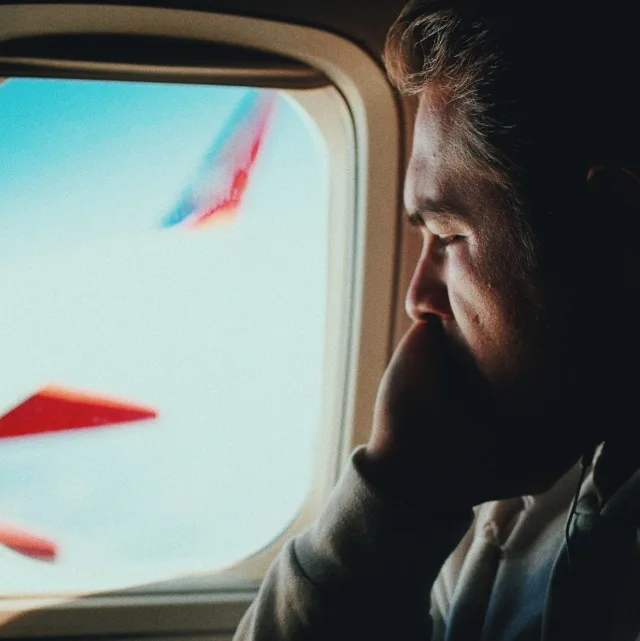
Fear of flying (aviophobia)
Often a mix of different kinds of apprehension: claustrophobia, loss of control, the surprise of turbulence, fear of panic itself on board. The work combines desensitisation, a reassuring understanding of how flight works, and tools for the day itself. Ideally the work starts a few weeks before a planned trip, which then becomes the best possible consolidation.
Fear of driving (amaxophobia)
After a long break from driving, a scare or an accident, or with no identifiable cause. Motorway driving becomes impossible, bridges and tunnels are avoided, and the driving perimeter shrinks year after year. What is at stake goes well beyond the car: it is the person's independence.
Fear of the dentist
One of the most widespread and the most costly in health terms: years of postponed care. It responds very well to hypnotic work, to the point that many dentists use hypnosis in the chair themselves.
Fear of vomiting (emetophobia)
Little known and yet very disabling: foods avoided, outings cancelled, pregnancy dreaded. Its permanent-vigilance mechanism makes it excellent ground for hypnosis.
Animals: dogs, spiders, snakes, insects, birds. The great classics, often the quickest to tame.
Needles, blood, heights, lifts, storms, water… The list of specific phobias is long and each one is worked on with the same logic. With one particular case: fear of blood and needles is sometimes accompanied by fainting (a drop in blood pressure). We adapt the protocol accordingly, and a medical opinion can be useful alongside.
And in children? Night fears, fear of the dark, fear of animals: very common, and very open to hypnotic work in the form of play and stories (see Hypnosis for Children).
Video available in French
Video transcript
Bonjour, Nous avons beaucoup de demandes en hypnose thérapeutique pour aider à mieux gérer des grandes peurs, ce que certains appellent des phobies. La peur est utile, elle nous permet d’échapper au danger, il ne s’agit donc pas de la supprimer. Mais les peurs sur lesquelles nous travaillons en hypnose sont inutiles et même handicapantes. Certaines de ces peurs sont bien connues : prendre l’avion, ou un ascenseur, la peur des chiens ou des araignées, la peur du noir ou du vide, de la foule ou à l’inverse des espaces vides, la peur des aiguilles ou de l’hôpital.
Il y a aussi des peurs plus particulières, qui pourraient sembler ridicules, et que nous prenons très au sérieux car elles entrainent de grandes souffrances, par exemple la peur des clowns, ou d’un aliment particulier. Ce peut être une association inconsciente avec quelque chose de totalement différent. La souris ou la grenouille qui apparaît par surprise là où on ne l’attend pas peut par exemple symboliser le manque de contrôle de la personne face à des événements dans sa vie.
A l’origine de votre peur, il peut y avoir eu un évènement traumatisant, souvent dans l’enfance, et dans ce cas, un psychologue ou un psychothérapeute saura vous aider. C’est une des questions que nous vous poserons pour être sûr que vous consultiez la bonne personne. Le plus souvent, il n’y a pas eu de traumatisme, il s’agit plus de la construction d’une peur de plus en plus grande à partir d’un événement désagréable mais pas dramatique.
Par exemple un jour vous vous êtes senti gêné, oppressé dans un centre commercial où il y avait beaucoup de monde et progressivement, vous avez évité les endroits avec de la foule, puis juste des endroits achalandés normalement, puis vous avez privilégié les courses avec livraison pour éviter de sortir… C’est ainsi qu’un inconfort assez compréhensible au départ se transforme en handicap social. Ou encore cette petite fille qui a peur d’une petite araignée et son papa lui dit « attention, elle va te manger ! ».
Plaisanterie bien innocente d’un papa aimant qui va amener chez sa fille adulte une peur paralysante. Et comme fuir l’objet de sa peur amène un grand soulagement, chaque incident renforce ce besoin d’évitement, un grand cercle vicieux se met en place, qu’il faudra donc briser. Chaque cas est particulier. Prenons la peur de prendre l’avion. Il peut s’agir de la peur de mourir. Ou de ne pas être en contrôle. Ou tout simplement un cas de claustrophobie.
Nous nous efforçons de comprendre votre situation de la manière la plus précise possible pour ouvrir les bonnes portes. Ces portes peuvent s’ouvrir en douceur, notamment avec des techniques de visualisation, où vous allez progressivement ré-apprivoiser certaines situations en toute sécurité et atténuer cette peur pour en faire quelque chose de vivable au quotidien. Peut-être que vous n’aimerez jamais vraiment être dans un ascenseur mais vous pourrez le faire quand vous le souhaiterez ou que vous en aurez besoin.
Alors si vous avez des peurs handicapantes et que vous souhaitez essayer l’hypnose thérapeutique, l’équipe d’hypnothérapeutes de Solutions Hypnose est là pour vous accompagner. En présentiel près de chez vous ou par vidéo, cela fonctionne aussi très bien. Prenez rendez-vous dès maintenant pour créer la vie que vous souhaitez grâce à l’hypnose ! A bientôt.
Hypnotherapy is a complementary form of support and does not replace medical advice, diagnosis, or treatment. If you have any concerns about your health, please consult a physician first.
What Hypnosis offers for Fears and Phobias
Since a phobia is a learned association, the key to hypnotic work is to install new learning. Not by forcing a confrontation, which a brain on alert would experience as an assault. But through the imagination, in a state of deep calm, to speak to the emotional brain in its own language.
How the work in hypnosis unfolds
- Installing and anchoring calm
The first stage of the work does not even mention the fear: it builds a state of deep physical and mental calm. Then it anchors that state, which means making it available at will, through a gesture or a breath. This calm is your new basic equipment: the one you will take with you the day you meet the situation you dread. - Taming it in imagination, at a distance and at your pace
From that calm, desensitisation begins gently: you first imagine the object of the fear from very far away, or in a dissociated way (as if on a screen, spectator rather than actor).
The brain lives the experience "dreaded situation + calm" instead of "dreaded situation + panic": the old equation gets rewritten, step by step, never going beyond what you can comfortably cross.
One important point: you will not have to face your fear for real during the sessions, nor painfully relive a memory. - Consolidating in real life.
The last stages prepare the real encounter: detailed mental rehearsal of the flight, the car journey or the dental appointment, pocket self-hypnosis tools for the day itself…
And often a new kind of pride: getting back a piece of your life you thought was lost.
For a simple phobia, this work most often takes two to five sessions. And how long the fear has been there changes almost nothing: a thirty-year-old phobia is a reflex, not a fortress.
When to see a psychologist first
Some situations are first a matter for psychological or medical care, with hypnosis coming in alongside afterwards if the care team thinks it useful. For example:
- A phobia born of a significant trauma (an assault, a serious accident): psychological trauma is treated, and treated well, by trained professionals,
- A panic disorder with severe agoraphobia that keeps someone housebound; invasive rituals and obsessions (OCD),
- Or any fear accompanied by major distress.
A serious practitioner identifies these situations at the first meeting and points you elsewhere. That is a sign of quality, not a rejection.
What our clients say
« I'm still speechless at the results of my session with Annie. After just one session for my spider phobia, I'm seeing incredible results! I was skeptical at first, but it really works. The feeling of release is indescribable. I recommend Annie 1000%! Thank you again for this incredible change in my life. If you only knew the weight of anxiety you lifted off me! 🙏✨ »
Jessica, client of Annie Mayrand
« After living for about twenty years with agoraphobia that kept me from driving on highways without having a panic attack, I decided to take charge and see a hypnotherapist. After three sessions with Sandra, I can now drive long distances on the highway without any problems. A big thank you to Sandra! »
MC, client of Sandra Djina Ravalia
« Christian is excellent and very professional, he responded to my call very quickly, and positive results came in a very short time (my fear of flying had settled in and made travel very hard). Right after our sessions I already took two 9-hour flights, and I'm amazed by the improvement — it went really well and I was even able to enjoy the trip, have a meal, take photos, read, and play with my child. For other areas of my life, I'll call on Christian's services again for the quality of his work and the trust it built. »
Karima, client of Christian Rocher
« I'd had a fear of heights for as long as I can remember. It held me back a lot, especially in recent years as I traveled a bit more. I decided to see Ghislain for hypnosis ahead of an important upcoming trip. I managed to climb to the roof of a 47-story building without a panic attack, and finally take in the magnificent view. THANK YOU Ghislain! »
Julie, client of Ghislain Lepage
« I had several video consultations with Sanae for my fear of flying. I travel very often, and yet I developed, quite unexpectedly, a real fear of flying about 3-4 years ago. At first I was a little skeptical, especially since the sessions were over video, but I was quickly convinced. Sanae is exceptional — very attentive, reassuring, gentle, and extremely professional. A structured, effective approach with concrete tools that really helped me understand and get past this anxiety. Today, after our work together, I feel no stress at all related to flying. I recommend Sanae without hesitation. »
Khadija, client of Sanae Belgarch
« Hello, this message is for the wonderful Nuria. Over the past few weeks she helped me face a fear I'd had for years of being on ski slopes. Last weekend I completed the 24 hours of Tremblant with flying colors. Throughout my sessions, and afterward, I do my exercises and my meditation. I can tell you I skied down all weekend with ease and lightness. Thank you so much Nuria, I recommend her. »
Marie-Eve, client of Nuria Perez de Leon
« A huge thank you to Annie who helped me on my long journey toward getting my driver's license. For 10 years I avoided driving because of the fears and anxiety that came over me just thinking about getting on the road. Annie was able to find the blockages and help me free myself from them. It's not just hypnosis, it's also high-quality coaching that she offers her clients. A few months later, here I am with my driver's license! I didn't think it would be possible for me! Thank you so much Annie :) »
Athena, client of Annie Mayrand
« It works and Sandra is amazing. Calm and helpful. I am no longer anxious about taking the plane. Thank you »
EightBit, client of Sandra Djina Ravalia
« I loved my experience with Nassim! :) In a single session she was able to help me eliminate my airport trauma. I thank her so much and I recommend her to anyone who'd like to try it 🙂 »
Claudia, client of Nassim Zafar
« I want to thank Patricia for her exceptional work and compassion. My daughter was going through a very difficult time after a toxic friendship that had isolated her and deeply affected her. She had developed intense anxiety, including emetophobia, which was impacting her daily life. Thanks to Patricia's professional and fair support, things improved remarkably. In less than a year, my daughter found real peace of mind and a confidence she'd lost, and today she's able to assert herself, set her limits, and stand up to people who mean her harm. Thank you again! »
Christel, client of Patricia Jouannet
« Sabrina is very attentive, available, has an immense big heart, my spider phobia is gone, I'm much more at ease around those little critters and their friends.... Sabrina is amazing, I recommend her to everyone! »
Marie-Andrée, client of Sandra Djina Ravalia
More on some specific fears and phobias
Hypnosis for Claustrophobia (Fear of enclosed spaces)
Hypnosis for the Fear of Death (Thanatophobia)

Hypnosis and the Fear of Blood Draws and Needles
Hypnosis for Erythrophobia (Fear of Blushing)
Hypnosis for Emetophobia (Fear of Vomiting)
Hypnosis for the Fear of Spiders (Arachnophobia)

Hypnosis for the Fear of Insects (Entomophobia)
Hypnosis and the Fear of Being Sick (Hypochondria)
Hypnosis for the Fear of Driving (Amaxophobia)
Hypnosis for Fear of Flying (Aviophobia)
Hypnosis and the Fear of Water in Adults
Hypnosis for Agoraphobia and Panic Attacks
Find Hypnosis for Fears & Phobias near you
All areas
 Annie Mayrand
Gatineau - Cumberland (ON)
👤
🧑🎓
🚭
❤️
💻
Annie Mayrand
Gatineau - Cumberland (ON)
👤
🧑🎓
🚭
❤️
💻
 Christian Rocher
Beloeil
👤
🧑🎓
👶
🚭
❤️
💻
Christian Rocher
Beloeil
👤
🧑🎓
👶
🚭
❤️
💻
 David Veilleux
Montréal - Anjou
👤
🧑🎓
🚭
❤️
🤰
💻
David Veilleux
Montréal - Anjou
👤
🧑🎓
🚭
❤️
🤰
💻
 Florence Aton
Sutton
👤
🚭
❤️
💻
Florence Aton
Sutton
👤
🚭
❤️
💻
 Jessica Reid
Sherbrooke
👤
🚭
💻
Jessica Reid
Sherbrooke
👤
🚭
💻
 Julie Rocque
Montréal - Jean-Talon
👤
🧑🎓
👶
🚭
❤️
🤰
💻
Julie Rocque
Montréal - Jean-Talon
👤
🧑🎓
👶
🚭
❤️
🤰
💻
 Nuria Pérez de León
Montréal - Rosemont - Saint-Lambert
👤
🧑🎓
💻
Nuria Pérez de León
Montréal - Rosemont - Saint-Lambert
👤
🧑🎓
💻
 Romain Rastoin
Bromont
👤
🧑🎓
🚭
❤️
💻
Romain Rastoin
Bromont
👤
🧑🎓
🚭
❤️
💻
 Réjeanne LeBlanc
La Prairie
👤
🧑🎓
👶
💻
Réjeanne LeBlanc
La Prairie
👤
🧑🎓
👶
💻


Frequently asked questions about Hypnosis for Fears and Phobias
For a simple phobia (flying, an animal, the dentist, heights), most often two to five sessions. More complex or long-standing fears, or ones mixed with underlying anxiety, sometimes take a little longer.
This is one of the areas where hypnosis gives its fastest results, though of course we cannot guarantee an outcome.
No.
How old a phobia is does not predict how stubborn it is: it is a learned reflex, often acquired in a single instant, and what was learned fast can be unlearned fast.
We regularly see fears of thirty or forty years give way in a few sessions. What counts is not how long you have been afraid, but how much you want out.
No, and that is the opposite of the method.
The work happens in imagination, from a state of deep calm, first at a great distance from the object of the fear and in a dissociated way (spectator, not actor).
You will never go further than what you can comfortably cross, and you stay in control at every moment.
Often, yes.
Three weeks generally allow two or three closely spaced sessions: installing calm, desensitisation, detailed preparation for the day with self-hypnosis tools to take on board.
The flight itself then becomes the consolidation session. The earlier you start, the more comfortable the work.
Cognitive behavioural therapy, the validated reference for phobias, uses graded exposure among other things: gradually facing the real situation.
Hypnosis works on the same desensitisation but in imagination and in a state of deep calm, which many people find gentler. The two approaches are compatible and sometimes combined.
For severe disorders, though, psychological care remains the first step.
Because you know it is irrational.
That is the double penalty for people with phobias: the fear, plus the shame of being afraid. Two things worth knowing: phobias are among the most widespread difficulties there are, and they say nothing about your courage, because the emotional brain sets off the alarm without asking your opinion.
The shame generally disappears in the first session, once the mechanism is understood.
The new learning consolidates through experience: every successful real encounter anchors it further.
A peak of general stress can sometimes bring apprehension back up: the self-hypnosis tools you learned then serve as a reminder, and one reinforcement session is usually enough.
It is rare, and it is never back to square one.
Fears are part of normal child development, and most pass on their own.
When they settle in, grow or take over daily life, hypnotic work in the form of stories and imagination games tames them very well, often in few sessions (see Hypnosis for Children).
If the fear affects school to the point of refusal to attend, speak to the school professionals and your doctor as well.
Yes, perfectly well.
The work happens in imagination and in a state of calm, two things that travel very well through a screen. It is sometimes even an advantage: some people whose phobia makes travelling difficult (driving, public transport) start by video, and celebrate their progress by coming to the practice.
Then the first step is a psychologist or a psychotherapist trained in psychological trauma: significant trauma is treated, with validated approaches, and that is not the territory of well-being hypnotherapy.
Hypnosis can then help with calm and confidence, alongside and with the agreement of the professional following you. We will ask you the question at the first meeting.
Going further
- Social anxiety: when the fear concentrates on other people's eyes.
- Performance anxiety: when the pressure concentrates on one moment to get right.
Hypnotherapy is complementary support and does not replace medical or psychological advice, diagnosis or treatment. In case of trauma or a severe anxiety disorder, see a psychologist or a doctor.

Page written by Sanae Belgarch
hypnotherapist and NLP coach
partner at Solutions Hypnose.
English version reviewed by David Veilleux
Updated .